Hidden Red Flags in Medical Records That Can Weaken a Personal Injury Case
Medical records form the backbone of a personal injury case, but they can quietly introduce weaknesses when small details are overlooked. Subtle inconsistencies, gaps, or documentation patterns can raise questions over time unless they are addressed early.
Introduction
The issues that affect case value rarely come from a single event. They develop when the medical record does not clearly show timing, symptom progression, or changes in care. Spotting these red flags early helps strengthen the clarity and consistency of the medical narrative from intake through trial preparation.
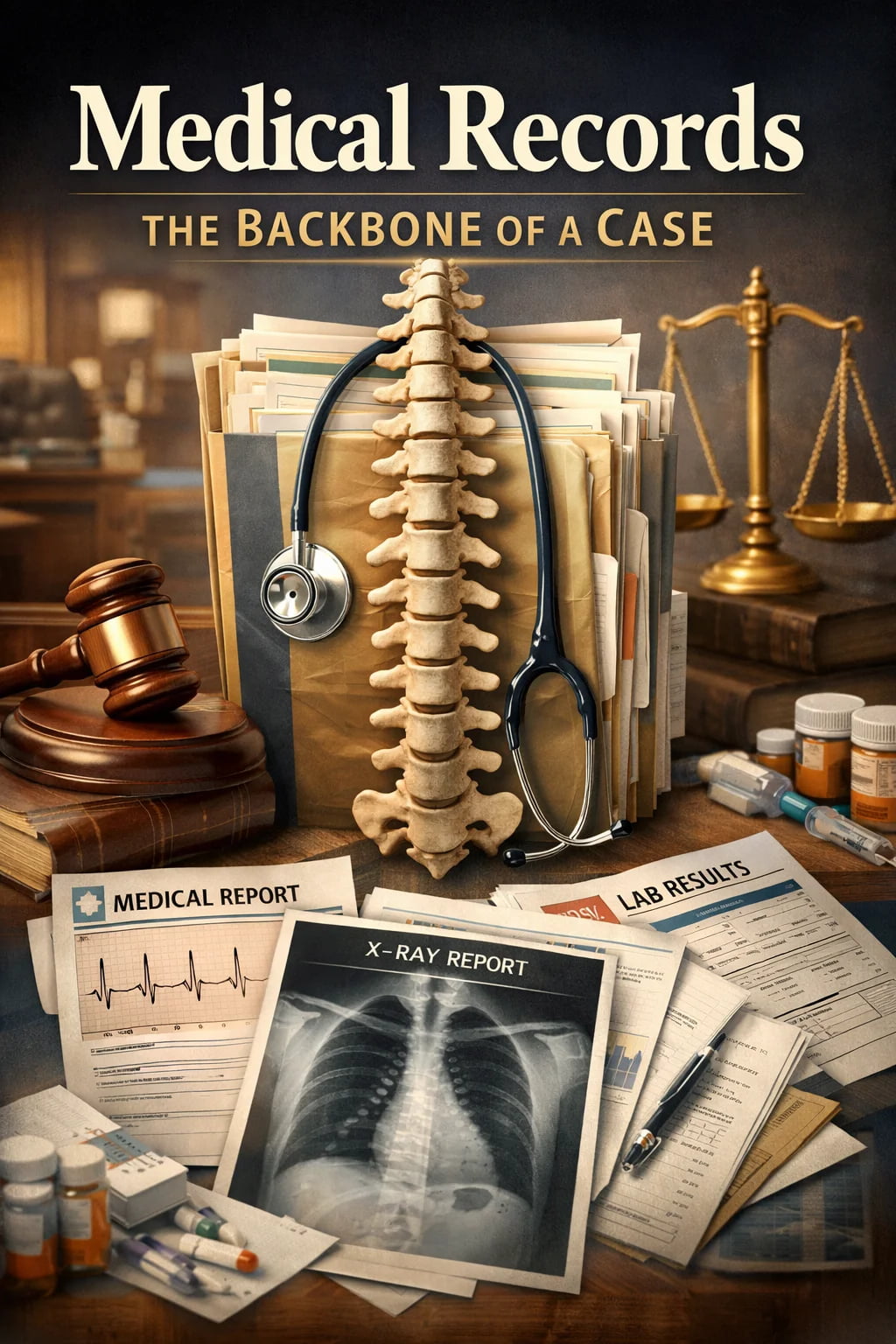
Below are the common medical record patterns that deserve attention, why they matter, and what attorneys can do to keep the medical narrative strong.
1) Gaps in treatment that break the timeline story
A gap in care is a common pattern that creates uncertainty. It does not mean the case lacks merit, but it requires context.
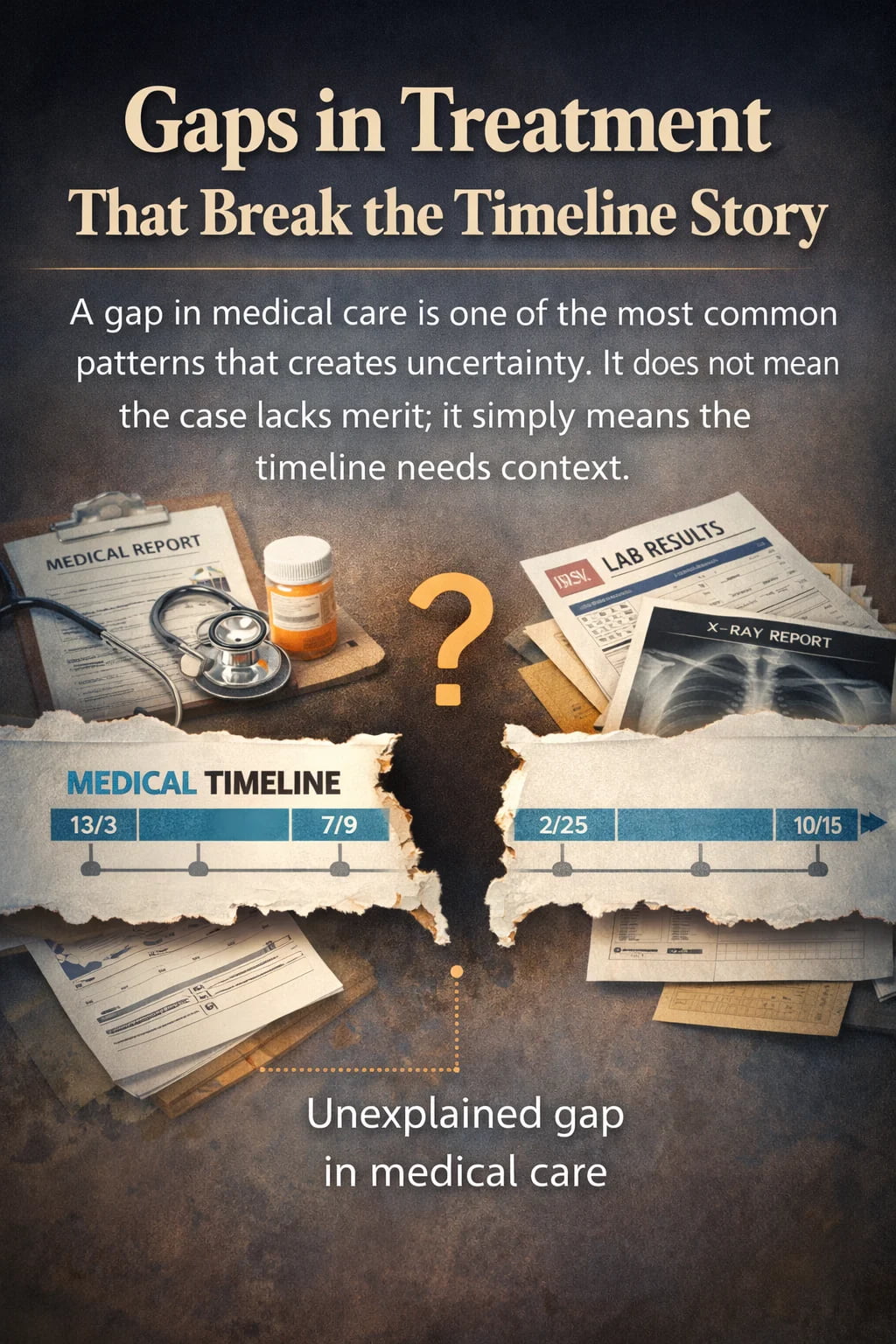
Where this shows up
- A long pause between the first visit and follow-up care.
- Therapy that starts, stops, then restarts months later.
- A stretch with no documented visits, then a return to treatment.
Why it matters
A case narrative is easier to understand when the record shows steady progression. A gap creates confusion about what changed and why care resumed.
What helps early
- Identify and flag gap dates early in the review process.
- Document care interruptions reflected in the record, such as delays in referrals or insurance approvals.
- Ensure explanations already in the file are reflected in the chronology.
Structured medical chronologies add value by making gaps and context visible without digging through raw records.
2) Inconsistent complaints across providers
Different providers often document symptoms differently, and intake forms can vary.
Common examples
- One provider notes neck pain, another focuses on shoulder pain, and a third documents radiating arm symptoms.
- Initial visits emphasize one area, later visits shift focus without explaining progression.
- Descriptions of severity vary widely between visits.
Why it matters
Consistency helps attorneys follow the story. When symptom descriptions change, it raises questions about what was present when and how it developed.
What helps early
- Track the first documented complaint for each body region.
- Map how symptoms evolve across providers and time within the chronology.
- Reflect progression in a consolidated medical summary rather than isolated visit notes.
A clear medical summary helps legal teams understand symptom development without reconciling conflicting language across records.
3) Templated EHR notes that blur what is truly specific
Templates are normal in electronic health records, but they can make it harder to see what is unique to each visit.
What to watch for
- Physical exam sections that look identical across visits.
- Copy-forward language repeating the same statements.
- Notes where history is detailed but assessment and plan are brief.
Why it matters
Repetitive notes make it harder to demonstrate progression, response to treatment, or medical necessity. Visit-specific details establish credibility and show care evolved with the patient's condition.
What helps early
- Focus on individualized sections like assessment, plan, imaging impressions, and therapy progress notes.
- Pull out unique details that show progression, response, and next steps.
- Present those details in the chronology so the record reads like a true timeline.
Physician-led medical review helps identify the clinical details that reflect true change and extracts them to clarify progression.
4) Delayed diagnostics that create a timing question
Imaging is not always ordered at the first visit, but delayed diagnostics must be supported in the record to avoid questions about necessity or causation.
Where this appears
- MRI ordered weeks after conservative care begins.
- Imaging performed after a referral rather than at the first visit.
- Diagnostics triggered by new symptoms or function changes.
Why it matters
When imaging appears later, it draws scrutiny about why that step was taken. Documentation linking diagnostics to persistent symptoms or new findings helps show medical necessity.
What helps early
- Identify the first note supporting the decision to order imaging.
- Capture the progression leading to diagnostics, such as persistent symptoms or limited improvement.
- Highlight imaging results in context, not as standalone facts.
5) Prior history and baseline documentation
Prior medical conditions are common, but they are closely examined in personal injury cases. Clear before-and-after documentation helps distinguish new injury from pre-existing conditions.
What to look for
- Prior treatment for the same body region.
- Longstanding degenerative findings on imaging.
- Notes referencing earlier symptoms without detailing severity or functional impact.
Why it matters
A strong narrative establishes the pre-incident baseline and documents how symptoms or function changed after the incident. Without this contrast, causation and extent of injury are harder to support.
What helps early
- Identify relevant prior records and summarize them with dates.
- Clarify the condition before the incident and what changed after.
- Track functional impact when documented, such as work restrictions.
6) Missed documentation of daily functional limitations
Many records focus on clinical findings but document little about daily functional impact, making it harder to establish damages over time.
Examples
- Work restrictions on hours, duties, or physical activity.
- Return-to-work notes with modified duty or phased return.
- Therapy notes describing lifting tolerance, range of motion, and activity goals.
Why it matters & what helps early
A case is clearer when the record shows how injury affected function over time alongside treatment.
- Pull functional notes into the chronology.
- Emphasize progression and improvement milestones.
- Keep language consistent with the record and cite clearly.
A practical workflow to catch medical record red flags before they weaken the case
Documentation issues rarely appear suddenly. An early, structured review helps identify these red flags while there is still time to add clarity.
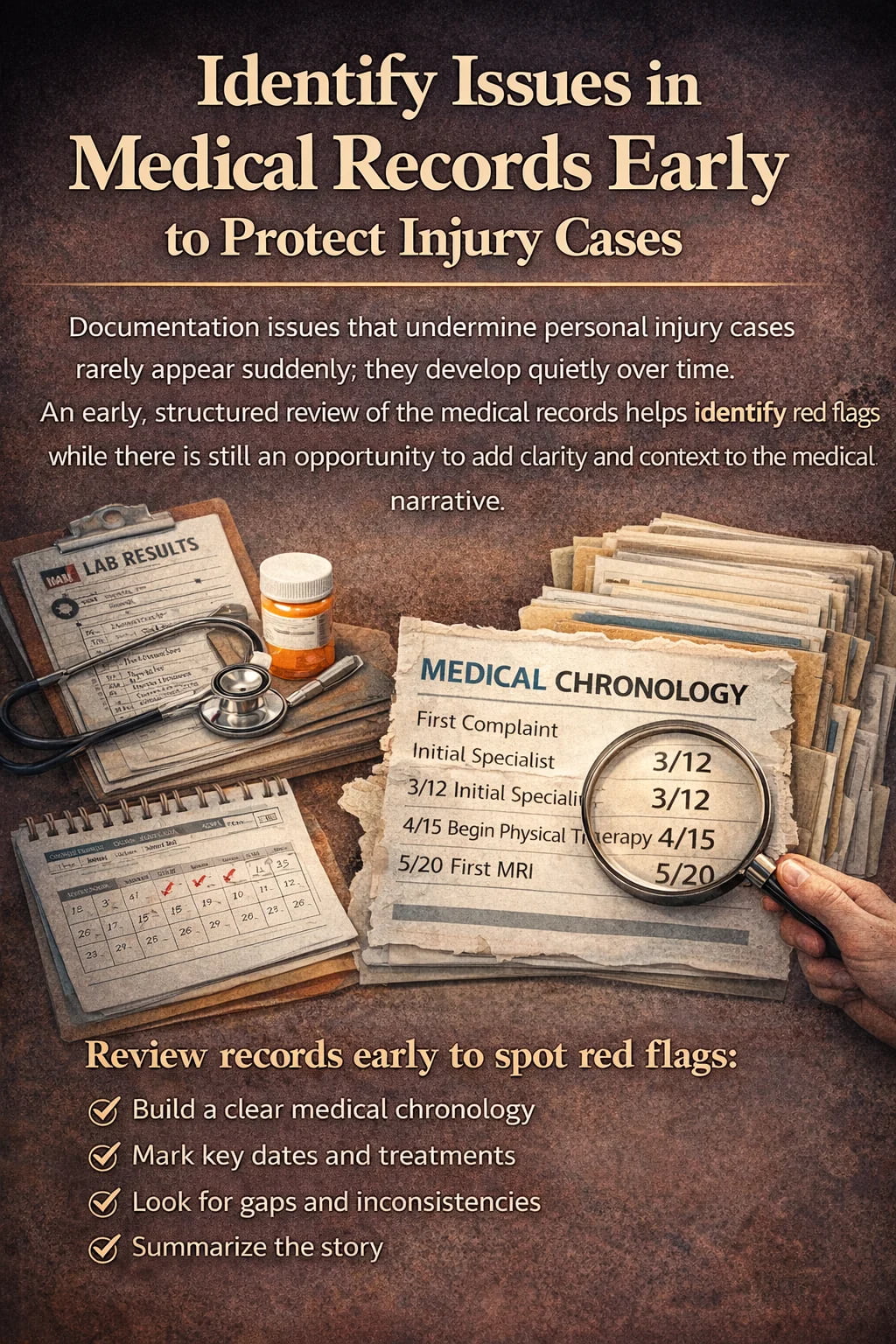
- Prepare a clear, structured medical chronology.
- Mark key dates: first complaint, first imaging, first specialist, therapy start, and major procedures.
- Scan for gaps in treatments and shifts in symptoms.
- Identify templated note stretches and pull visit-specific details.
- Summarize the story in a focused medical summary that reads like a timeline, not a record dump.
The goal is not to overwork the medical record review. It is to keep the medical story easy to understand and consistent from the start.
How Medilenz helps
Subtle record patterns are easiest to handle when identified early, before depositions, expert disclosures, or mediation preparation begin. Medilenz supports law firms by delivering litigation-ready medical summaries and chronologies that make the treatment journey clear.
Attorneys and law firms rely on Medilenz to:
- Organize records into a usable timeline for intake and evaluation.
- Identify gaps, symptom progression, and key decision points.
- Support mediation preparation with a clear treatment narrative.
- Keep documentation easy to reference across the team, including paralegals and case managers.
Even when a case involves large volumes of records or multiple providers, Medilenz keeps the medical narrative organized, consistent, and practical for litigation work.
Closing thought
Hidden red flags may not cause problems immediately, but they can quietly weaken a case over time if left unaddressed. Identifying gaps, inconsistencies, and unclear timeline issues early helps keep the medical narrative clear, defensible, and consistent from intake through trial preparation.