Timing Matters: When Attorneys Should Seek an Expert Medical Opinion
The timing of requesting an expert medical opinion during litigation is important. By asking for an expert medical opinion at the appropriate time during a matter, attorneys are able to present arguments on a stronger factual basis that may be less susceptible to challenge.
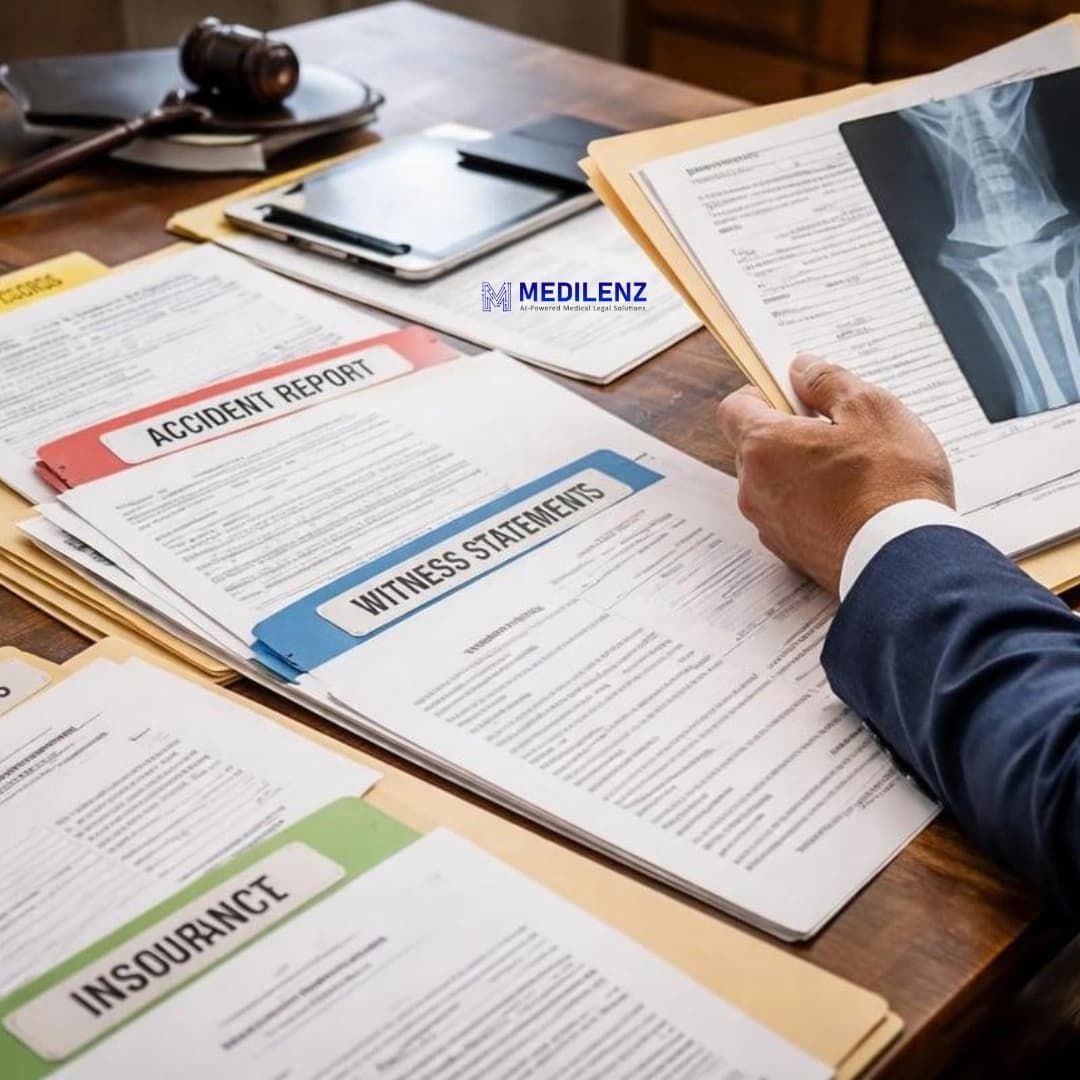
Attorneys who wait until discovery closes, or until a critical witness such as the plaintiff has testified, usually find their options for adjusting position have already narrowed.
Deciding when to ask for an expert medical opinion is not simply about completing paperwork on time; it is about determining when additional information related to a medical issue should be developed, which would alter the overall discussion of the case.
As with any aspect of litigation, there are certain events that occur repeatedly enough in various types of cases that attorneys should recognize them early on.
Examples include:
- When Causality May Be Contested
- When Standard of Care Issues Are Central to the Matter
- When Documented Damages Require Clinical Input
- When Medical Necessity is Being Disputed
When Causality May Be Contested
In personal injury litigation, causality is generally the most commonly challenged element. Rather than being required to prove that an accident did not occur, defendants are merely required to raise sufficient doubts regarding whether this particular incident resulted in the claimed injury.
Therefore, obtaining an expert medical opinion is key to establishing causality.
A physician reviewing the full treatment record, including diagnostic studies and clinical notes, can document whether the mechanism of injury is consistent with the final diagnosis.
Similarly, if a worker suffers an alleged workplace injury requiring medical attention, this determination establishes whether the described physical outcomes were in fact a result of the workplace incident.
If no causal relationship is established by an expert medical opinion connecting these elements with specific clinical evidence, defense counsel can easily argue that the injury existed prior to the incident or occurred coincidentally or otherwise as a result of another cause.
Requesting the opinion early lets plaintiffs' counsel build causality into the case from the start, rather than bolting it on later as an ad hoc fix.
When Standard of Care Issues Are Central to the Matter
In contrast to personal injury cases, medical malpractice cases are usually determined by one central question:
Did the defendant provide care that met the prevailing standard of care for his/her/its medical specialty at the time of treatment?
This question cannot be resolved solely by reviewing the treatment record.
Instead, a physician with clinical expertise in the area must compare what was done and how it was recorded against what a similarly trained and experienced physician would have done under similar circumstances.
The role of an expert medical opinion in malpractice cases is twofold.
First, it provides counsel with insight into whether or not a potential case merits pursuing without committing substantial financial resources.
Second, it gives counsel a documented basis for the medical narrative supporting liability at each later stage, from the pre-suit demand letter through trial testimony.
Counsel representing malpractice clients should seek this opinion as soon as the initial record review is complete.
Understanding where and how the defendant deviated from the applicable standard of care will guide counsel in preparing each document, each deposition question and each argument supporting damages incurred by the client.

When Documented Damages Require Clinical Input
Medical records document what treatment occurred. However, they typically do not document what the treatment means for the patient's future.
An expert medical opinion translates clinical findings into a projection of future care needs, functional limitations, and prognosis. Expert opinions become especially useful in cases involving:
- Permanent or long-term injuries that require future care expenses to be quantified and justified;
- Soft-tissue injuries that demonstrate severe damage through extended treatment but are not evident on diagnostic images;
- Mass torts where a claimant's individual medical history must be correlated with exposure-related conditions affecting many others;
- Workers' Compensation cases where a claimant's degree of permanent impairment affects the value of a settlement or a workers' compensation award.
Each of these scenarios could potentially benefit from a review by a qualified physician to assist counsel in documenting the potential impact of the injury on the claimant's quality of life and/or ability to continue working.
Physicians documenting clinical bases for future damages give greater negotiating power and credibility in court than physicians who document only billing information.
Defense attorneys and adjustors have little motivation to dispute medical damages if they are based upon a documented medical opinion versus only billing records.
When Medical Necessity is Being Disputed
Defense counsel use many strategies when attempting to settle a lawsuit.
One such tactic is to dispute the “medical necessity” of the treatment the plaintiff received.
They will also argue the length of treatment and whether the physician's recommended course of care was supported by clinical evidence.
All three arguments apply to various forms of lawsuits in order to devalue the medical portion of the damages awarded.
Answering the Medical Necessity Challenge
The expert medical opinion answers the medical necessity argument directly.
The MD physicians/specialists review the entire treatment record and make a clinical judgment as to whether the treatment provided was reasonable, considering the diagnosis, the cause of injury, and the patient's documented reaction to the treatment.
In a medical malpractice case, the expert medical opinion examines whether the defendant's own treatment decisions were clinically necessary and reasonable, which feeds directly into the standard of care analysis central to the claim.
In a personal injury case, the expert medical opinion addresses whether multiple physical therapy sessions were needed or whether surgery was appropriately indicated.
In a workers' compensation case, the expert medical opinion checks if the employer's prescribed work restrictions were clinically valid.
Reviewing before the demand goes out, rather than after defense counsel raises the issue, lets an attorney assert medical necessity upfront instead of defending it later.
Points in Litigation Where an Expert Medical Opinion Pays Off
Several points in the litigation process are natural moments to bring in an expert medical opinion.
These include:
- Preparation of demand letters
- Prior to meeting the expert witness designation deadlines
- Prior to mediation
- During trial preparation
Mass tort cases involve numerous claimant files reviewed at once.
Therefore, an expert medical opinion helps legal teams create consistency standards for identifying which cases have merit and which ones to prioritize.
Malpractice cases may need to be dropped early unless an expert medical opinion confirms the case has merit.
By requesting expert review early, attorneys buy themselves more time to act on what the review turns up.
Making Expert Medical Opinions Part of the Case Workflow

Almost Always Sooner Than Expected
Attorneys who build expert medical opinions into their routine workflow move cases more smoothly from intake to conclusion than those who request one only when a case hits a snag.
The habit pays off in concrete ways. Cases get screened for merit earlier, before time and resources go into a claim that will not hold up. Demand letters, mediation briefs, and expert witness disclosures move faster because the medical analysis is already on hand instead of being requested against a deadline. And because the same review standard applies across every file, the resulting opinions are easier to compare across a caseload, which matters in firms handling higher volumes of personal injury or mass tort work.
Law firms that request opinions only when a case runs into trouble tend to do so under pressure, close to a filing deadline or in response to a defense challenge, leaving little room to develop the medical narrative or adjust strategy based on what the review turns up.