Mass Tort Litigation: Benefits of Expert Medical Record Review for Attorneys and Law Firms
Mass tort litigation presents unique challenges for attorneys and law firms. Unlike individual personal injury or medical malpractice cases, mass tort cases involve thousands of claimants, extensive medical histories, and highly technical documentation. Managing this volume while maintaining clinical accuracy requires a medical record review process tailored specifically for mass tort litigation.
Introduction: The Complexity of Mass Tort Medical Records
Expert medical record review plays a critical role in helping attorneys handle the medical complexity of mass tort cases efficiently. When records are reviewed carefully and organized methodically, attorneys gain clear, medically grounded insight into claimants' injuries, complication patterns, and eligibility criteria.
Why Medical Record Review is Critical in Mass Tort Cases
Mass tort cases rely heavily on medical evidence to establish injury patterns and causation. Each claimant's records must be evaluated meticulously while accounting for individual differences in diagnosis, treatment, and outcomes. Without expert review, inconsistencies or missing documentation can undermine claimant screening and case preparation.
A structured review process allows law firms to evaluate records efficiently while preserving medical accuracy. When records are reviewed by medical professionals familiar with mass tort cases, attorneys can more reliably assess case viability, claimant eligibility, and litigation readiness.
Managing High Volumes of Medical Records Effectively
Mass tort cases often involve medical files that span years and include multiple providers. Without a structured review system, critical clinical details may be overlooked, slowing case progress and weakening the medical foundation needed for litigation.
Expert reviewers organize records into clinically coherent timelines that allow attorneys to quickly understand each claimant's medical journey. This efficiency supports faster, better-informed decision making and lets legal teams focus on strategy rather than sorting raw records.
Improving Consistency Across Claimant Files
Consistency is essential in mass tort litigation. Each claimant's medical records must be evaluated using the same clinical and legal standards. Expert review applies uniform criteria across all files, helping law firms maintain consistency while recognizing individual medical circumstances that affect causation or damages.
Supporting Causation and Injury Analysis
Medical causation is central in mass tort cases. Expert review helps clarify how documented conditions relate to alleged exposures, medicines, or devices. By organizing records chronologically and summarizing key events, reviewers help attorneys understand how symptoms emerged, progressed, and were treated over time.
Clear timelines support stronger causation analysis, injury pattern identification, and outcome comparison across claimants. This clarity helps attorneys present medical evidence more confidently during case evaluation, expert consultation, negotiation, and trial.
Reducing Review Time Without Sacrificing Accuracy
Efficient time management is critical in mass tort litigation, where delays in review can affect claimant evaluation, discovery timelines, settlement negotiations, and trial strategy. Reviewing records manually can slow progress and increase the risk of human errors.
Expert medical record review combines AI-powered processes with MD physicians' clinical expertise to improve both speed and accuracy. Trained reviewers reduce time spent interpreting complex records while ensuring clinically accurate summaries that support defensible litigation decisions.
Enhancing Case Preparation and Settlement Strategy
Well-organized records support stronger case preparation. When attorneys have access to clear, clinically accurate summaries, they can evaluate claims more effectively and develop informed strategies for settlement negotiations or trials.
Expert review ensures medical evidence is presented clearly, consistently, and in a litigation-ready format, supporting stronger internal valuation and more credible external negotiations.
The Role of Medical Chronology in Mass Tort Litigation
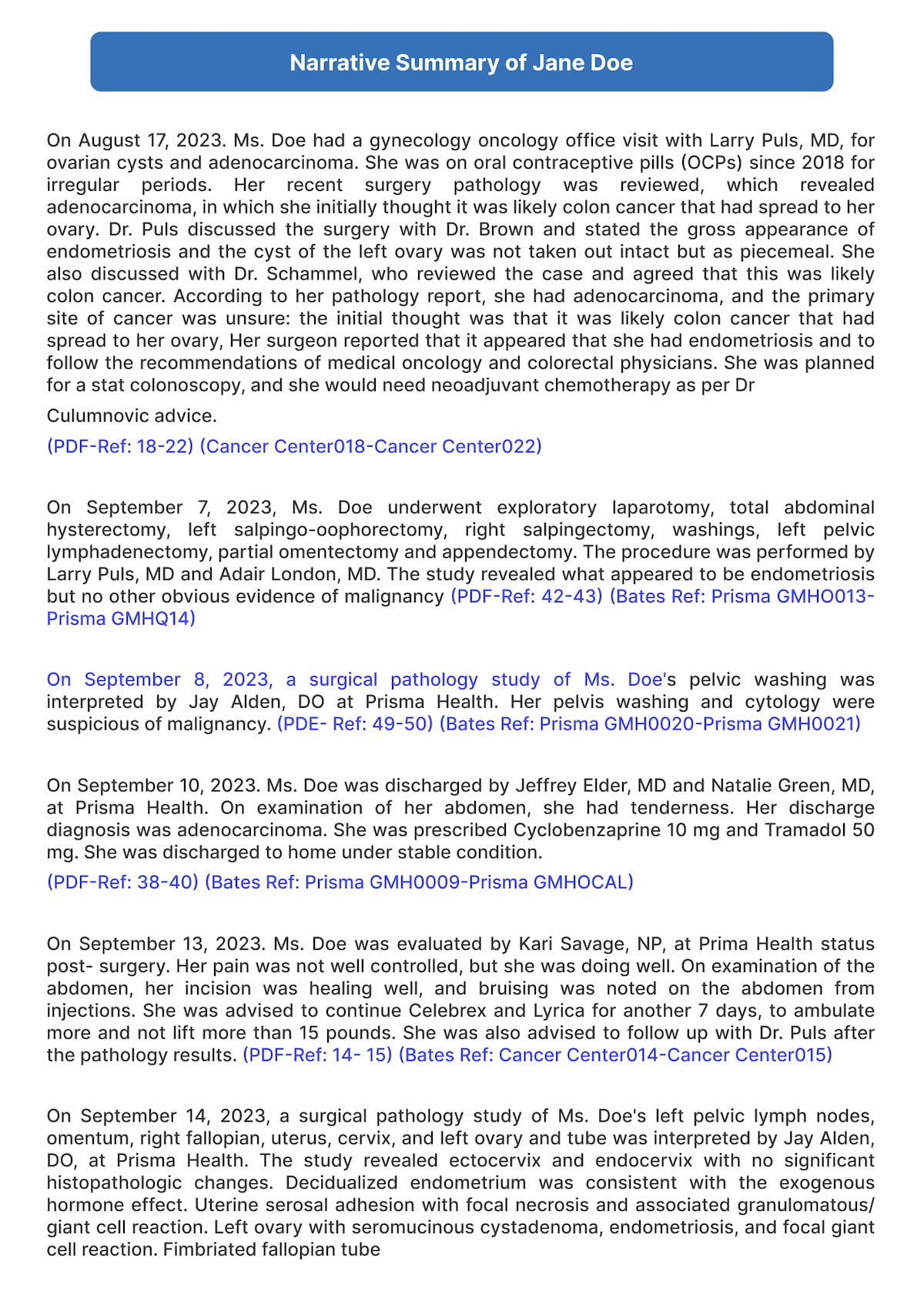
Medical chronology transforms huge volumes of records into clear, structured timelines. In mass tort cases involving thousands of plaintiffs, attorneys must quickly understand each claimant's medical history while maintaining consistency across files. A chronology prepared by medical professionals enables legal teams to understand complex information at a glance.
By organizing records chronologically, expert reviewers highlight key events such as diagnoses, symptom onset, treatments, hospitalizations, and outcomes. These timelines help attorneys spot injury patterns and determine whether a claimant's profile aligns with the alleged exposure or product at issue.
Many law firms prefer professional medical record review service providers to support mass tort litigation. Providers such as Medilenz combine technology-driven review with physician oversight to deliver accurate, consistent, and defensible chronologies at scale.
Strengthening Communication Across Legal Teams
Expert review improves communication within law firms. When medical information is organized and clinically validated, attorneys, paralegals, and case managers share a medically accurate understanding of each claim. This consistency is especially valuable in mass tort litigation where large teams must stay aligned.
Conclusion: Building Stronger Mass Tort Cases Through Expert Medical Record Review
Handling mass tort litigation requires more than legal expertise alone. Medical complexity, record volume, and consistency demands make expert medical record review an essential component of case preparation.
By partnering with firms such as Medilenz, law firms can improve clinical accuracy, operational efficiency, and strategic clarity across mass tort cases. Expert review transforms extensive records into actionable, litigation-ready insight that supports stronger case strategy and better legal outcomes.