Preparing Demand Letter for Mediation
Mediation plays a central role in resolving personal injury, medical malpractice, and other complex litigation matters. Unlike a trial, mediation relies on clear communication, mutual understanding, and well-prepared documentation. One of the most important documents setting the tone for mediation is the demand letter.
Introduction: The Role of a Demand Letter in Mediation
A demand letter serves as a structured narrative that outlines liability, damages, and supporting documentation, often including diagnostic reports, treatment summaries, cost analysis, and more. When prepared thoughtfully, it frames discussions, manages expectations, and supports productive negotiation during mediation.
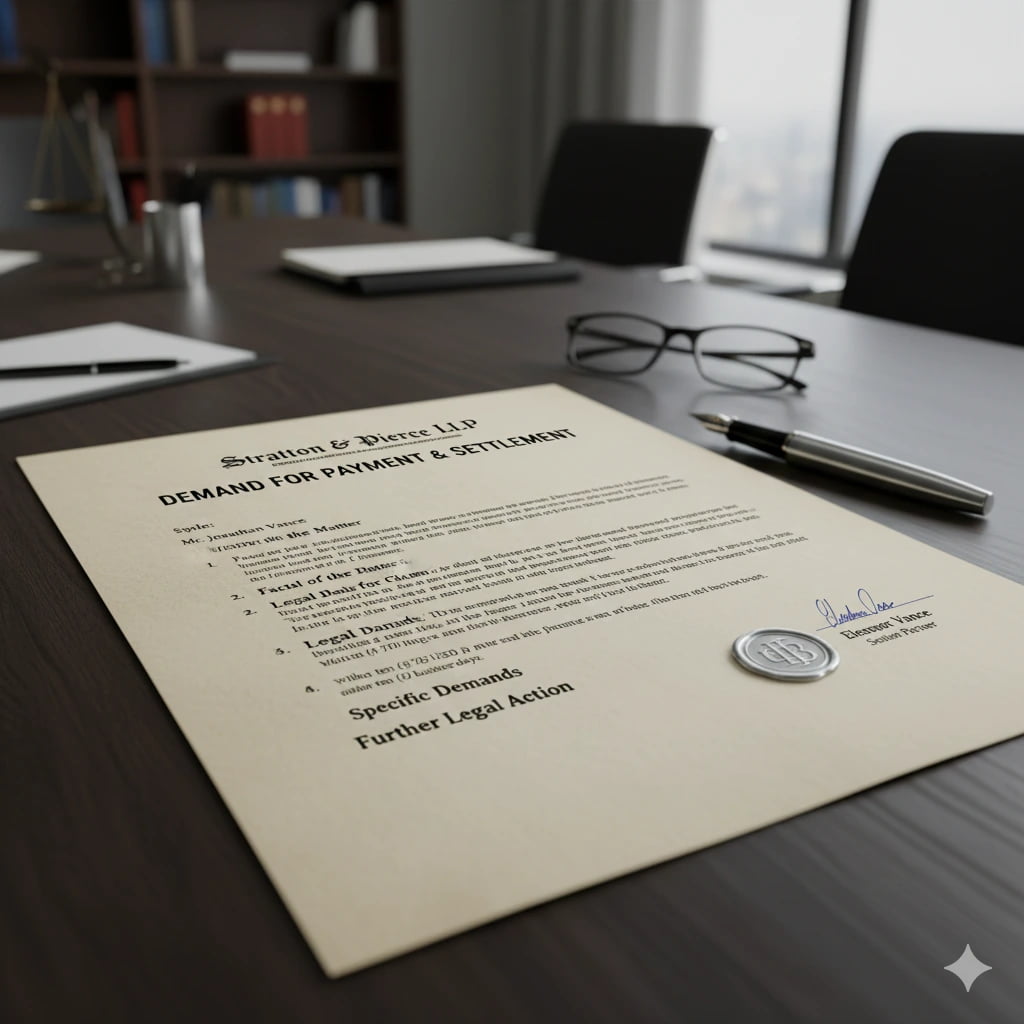
Understanding the Purpose of a Demand Letter in Mediation
A demand letter prepared for mediation is not intended to argue every legal nuance or replicate trial advocacy. Instead, its purpose is to provide a clear, persuasive overview of the claim that supports meaningful settlement discussions.
Mediators, opposing counsel, and insurers review demand letters to understand the claim, assess exposure, and evaluate settlement potential. The demand letter functions as a negotiation tool that synthesizes medical evidence, liability factors, and damages into a coherent presentation.
Structuring the Demand Letter for Clarity and Flow
Organizing the demand letter into a logical, readable structure is essential. A well-structured demand letter guides the reader through the claim without requiring extensive reference to original medical records.
Effective demand letters typically follow a clear sequence: background facts, liability overview, injury description, medical treatment summary, damages, past verdicts of similar injuries, and settlement demand. This structure keeps mediation discussions centered on the merits of the claim.
Incorporating Key Medical Information Effectively
Medical information is central to demand letters, but the focus should be on medically significant events that support the claimed damages. Highlight initial injury evaluations, diagnostic findings, treatment progression, significant changes in care, and outcomes that impact valuation.
Summarizing these elements clearly communicates injury severity and treatment necessity without overwhelming the reader.
Ensuring Consistency Across the Demand Narrative
Consistency throughout the demand letter is critical to maintaining credibility. Treatment dates, provider information, and cost figures should align with the underlying medical records.
Reviewing records alongside the demand letter ensures the medical summary reflects the treatment history and prevents contradictions that could distract during mediation. A cohesive narrative supports smoother communication and fosters trust in the information presented.
Using Medical Summaries to Support the Demand
Medical summaries play an important role in preparing demand letters for mediation. Rather than attaching voluminous records, summaries present treatment clearly and concisely within the demand narrative.
Well-prepared summaries translate clinical information into accessible language while remaining accurate. They support quick reference during mediation and reduce the need to interpret complex medical terminology in real time.
Supporting Mediation Strategy Through a Well-Crafted Demand Letter
A thoughtfully prepared demand letter supports a stronger mediation strategy. When the demand clearly presents medical support, damages, and rationale for the requested resolution, attorneys can focus discussions on negotiation rather than clarification.
Clear demand letters set realistic expectations, reduce disputes over injury presentation, and maintain momentum during mediation sessions. They allow legal teams to respond efficiently to questions and guide discussions toward resolution.
How Medilenz Supports Demand Letter Preparation for Mediation
Many law firms rely on medical record review service providers to draft demand letters. Medilenz organizes and transforms medical records into summaries and timelines and integrates them into demand letters.
Through technology-driven workflows and physician oversight, Medilenz ensures medical documentation used in demand letters is accurate, consistent, and easy to reference. This support allows attorneys to focus on negotiation strategy rather than document analysis.
Conclusion: Strengthening Mediation Through Effective Demand Letters
Preparing a demand letter for mediation is a critical step in presenting a claim clearly and persuasively. Structured organization, consistent narratives, and well-integrated medical support strengthen mediation discussions.
When demand letters are thoughtfully prepared, attorneys can approach mediation with confidence and clarity. Professional support in organizing and summarizing medical information transforms complex records into persuasive demand narratives that drive efficient resolution.